

Employee Recognition
Dealership New Hire Retention: How Recognition Improves the First 90 Days
A practical first-90-days recognition playbook for dealership groups that want to reduce early turnover, improve manager consistency, and help frontline employees feel connected across locations.
Dealership groups do not usually lose new hires on day one. They lose them in the messy middle: after the welcome email, before the employee feels confident, connected, and known by their manager.
That makes the first 90 days one of the highest-leverage retention windows in automotive. New sales consultants, service advisors, technicians, parts staff, and support teams are learning fast, absorbing pressure from customers, and deciding whether your dealership is a place worth staying.
For large dealership groups and OEM networks, the problem is harder because onboarding is rarely one consistent experience. One location has a strong manager who checks in daily. Another location is short-staffed and leaves new hires to figure it out. The result is avoidable turnover, uneven standards, and a culture that depends too much on which site someone joined.
A better first-90-days rhythm gives managers a simple way to recognise progress, reinforce standards, and make every new hire feel visible before disengagement becomes resignation.
Why Dealership New Hire Retention Breaks Down
Most dealerships already understand the cost of turnover. The gap is not awareness. The gap is operating rhythm.
- Managers are busy. They are balancing sales targets, service capacity, customer escalations, rosters, and manufacturer priorities.
- New hires are deskless or mobile. Many do not live in email or HR systems, so important support gets missed.
- Standards vary by site. A multi-location group may have strong values centrally, but those values are experienced through local managers.
- Feedback arrives too late. By the time a formal review happens, the employee may already be checked out.
Recognition solves part of this because it turns onboarding from a document into a visible habit. It tells new hires, early and often: this is what good looks like here, and your contribution is being noticed.
The First 90 Days Should Build Three Things
1. Confidence
New dealership employees need proof that they are improving. Specific recognition helps them understand which behaviours matter: following up with a customer, supporting another department, handling a service handover well, learning a process, or living the group values under pressure.
2. Connection
People stay where they feel seen. Peer recognition and manager shoutouts help new hires build relationships beyond their immediate trainer or department. That matters in dealerships, where sales, service, parts, finance, and admin teams need to work as one customer experience.
3. Consistency
For dealership groups, the goal is not one great onboarding story. It is repeatable culture across every rooftop. A shared recognition rhythm gives leaders a way to reinforce the same standards across locations without relying on long policy documents or one-off training sessions.
A Practical First-90-Days Recognition Playbook
Days 1-7: Make belonging visible
- Welcome the new hire publicly in the right team channel or recognition feed.
- Recognise the buddy, trainer, or manager responsible for helping them settle in.
- Give the new hire one clear behaviour to look for and celebrate in others.
Manager prompt: “Welcome [Name] to [location/team]. This week we are helping them learn [process/standard]. Please jump in with support and recognise the moments where they bring our values to life.”
Days 8-30: Reinforce early wins
- Ask managers to recognise one specific new-hire behaviour each week.
- Focus on coachable progress, not just final performance.
- Link recognition to customer experience, teamwork, safety, or operational discipline.
Manager prompt: “Shoutout to [Name] for [specific action]. That helped [customer/team/location outcome] and showed [value]. Great example of the standard we want across the group.”
Days 31-60: Build cross-team connection
- Encourage peer recognition between sales, service, parts, finance, and support teams.
- Spotlight employees who help new hires learn faster.
- Use recognition to show how departments depend on each other.
This is especially useful in dealerships where new hires can feel isolated inside one department. Visible appreciation widens their sense of team.
Days 61-90: Turn progress into commitment
- Review the recognition the employee has received and given.
- Identify the behaviours they are consistently demonstrating.
- Recognise their contribution publicly when they complete the first 90 days.
Manager prompt: “In your first 90 days, you have shown [behaviour/value] through [specific example]. That has made a real difference to [team/customer/location]. We are glad you are here.”
What Dealership Leaders Should Measure
- New-hire recognition coverage: What percentage of new hires receive meaningful recognition in their first 30, 60, and 90 days?
- Manager participation: Which managers are creating consistent onboarding moments, and which need coaching?
- Peer connection: Are new hires being recognised only by managers, or by teammates across departments?
- Early turnover trend: Are exits dropping inside the first 90 or 180 days?
- Location consistency: Are some rooftops creating stronger early employee experiences than others?
These measures give HR, operations, and dealership leadership a more useful view than annual engagement alone. They show whether culture is reaching employees while it can still change the outcome.
Common Mistakes to Avoid
- Waiting for probation reviews. Recognition should happen while behaviour is forming, not after the employee has already decided how they feel.
- Only recognising top sellers. New-hire retention improves when everyday progress is visible across every role, including service, parts, admin, and support.
- Leaving it to HR. HR can design the rhythm, but local managers create the lived experience.
- Making recognition generic. “Great job” is nice. “You handled that customer handover clearly and kept the team aligned” is useful.
How ShoutOut Helps
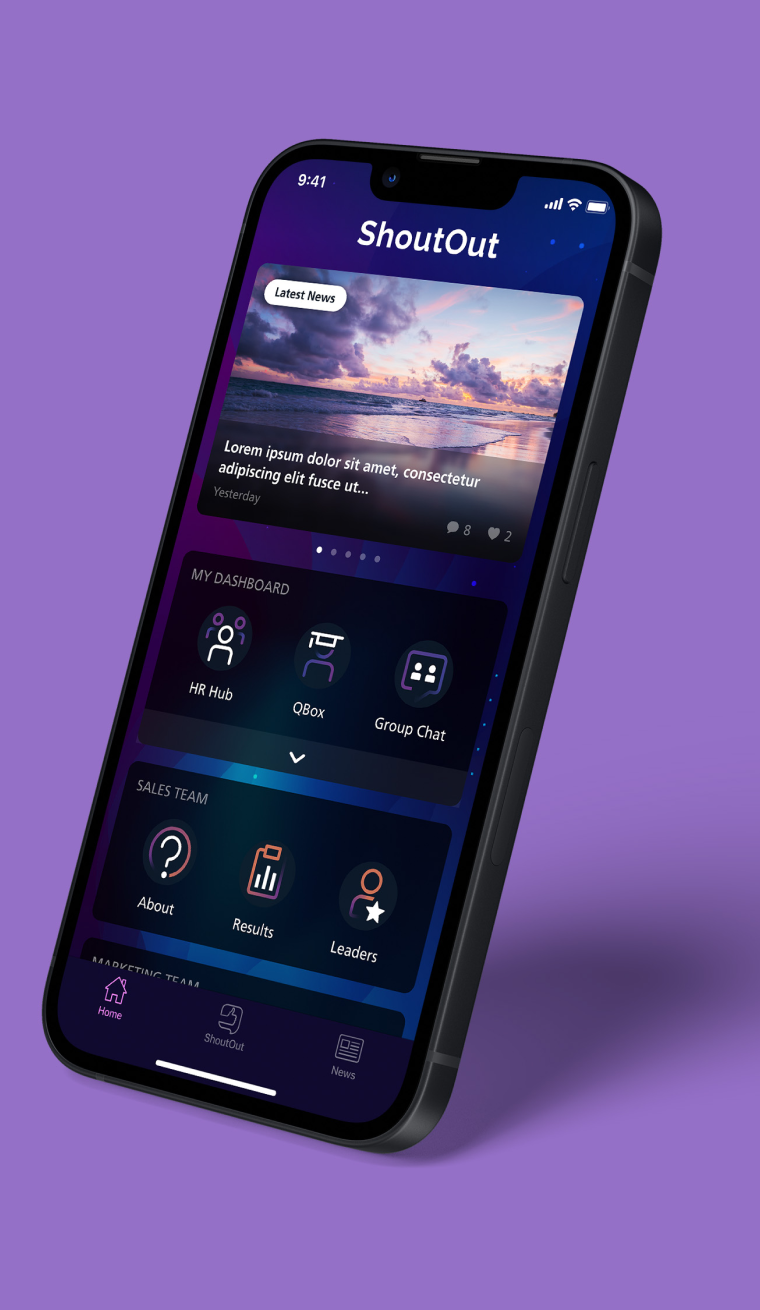
ShoutOut gives dealership groups a simple way to make recognition visible, timely, and consistent across locations. Managers can reinforce the behaviours that matter, peers can celebrate support across departments, and leaders can see whether recognition is reaching the people most at risk of early disengagement.
For automotive teams dealing with high turnover, deskless work, and multi-location complexity, that matters. The first 90 days should not depend on luck, inbox access, or one exceptional manager.
Final Thought
Dealership new hire retention improves when employees feel progress, connection, and consistency early. Recognition is not the whole onboarding system, but it is one of the simplest ways to make the system human.
If you want new hires to stay, do not wait until they are fully productive to show them they matter. Recognise the behaviours that lead there.