
Employee Recognition
Dealership Employee Retention: Recognition Across Locations
Dealership employee retention improves when managers recognise great work consistently across every rooftop. A practical playbook for automotive leaders.
Dealership employee retention is no longer just an HR issue. For large dealership groups and OEM networks, turnover shows up in customer experience, service capacity, sales consistency, onboarding cost, and manager burnout.
Most automotive leaders already know the obvious fixes: better hiring, clearer pay plans, stronger onboarding, and more coaching. Those matter. But there is another lever that is often underused because it feels too simple: consistent, specific recognition from managers.
Recognition will not solve every retention problem. But when it is designed properly, it gives frontline employees a reason to stay connected to the team, repeat the behaviours that drive performance, and believe that their work is visible beyond their direct manager.
Why dealership retention breaks down across locations
In a single dealership, culture can be carried by a strong general manager, a trusted service leader, or a sales manager who knows how to keep people motivated. Across a multi-location group, that informal approach breaks down quickly.
One rooftop may celebrate customer saves every Friday. Another may only talk about missed targets. One service department may praise teamwork during peak periods. Another may treat extra effort as expected and invisible.
That inconsistency creates a retention problem because employees compare their experience. Sales consultants, service advisors, technicians, parts teams, reception, and admin staff all notice whether effort is recognised fairly.
The warning signs are usually visible before people leave
- High performers stop volunteering for extra shifts or difficult customers.
- New starters struggle to understand what great performance looks like.
- Managers only recognise top sales results, not the behaviours that create them.
- Service and sales teams operate in silos instead of helping each other.
- Recognition depends on the personality of each manager, not the operating system of the group.
If your culture changes dramatically from one location to the next, employees are not experiencing the company brand. They are experiencing their local manager.
Recognition is a retention system, not a perks program
The weakest recognition programs are generic. They reward birthdays, tenure, and occasional applause. They feel nice, but they do not change behaviour.
The strongest programs connect recognition to the work that actually makes a dealership group successful:
- Customer experience: turning a frustrated customer into a loyal one.
- Speed and follow-through: closing the loop quickly between sales, finance, delivery, and service.
- Team standards: helping a new employee learn the floor without being asked.
- Operational consistency: following the process that protects CSI, margin, and trust.
- Values in action: showing the behaviour the group wants repeated across every location.
That is why recognition belongs in the same conversation as retention, engagement, and performance. It is one of the clearest ways to show frontline teams what matters here.
What automotive leaders should recognise more often
Dealership groups often over-recognise final outcomes and under-recognise the behaviours that create those outcomes. The result is a culture where only the loudest wins are visible.
To improve retention, recognition needs to reach the moments employees actually experience every day.
1. The handoff that protects the customer experience
Great customer experience depends on clean handoffs: sales to finance, finance to delivery, delivery to service, service to parts, and managers to frontline teams. When someone prevents confusion, reduces friction, or helps another department succeed, recognise it publicly.
Example: “Shoutout to Maya for staying with the customer after delivery and making sure the first service booking was clear. That handoff protected the customer experience and made the next team’s job easier.”
2. The manager behaviour you want copied
Manager consistency is one of the biggest differences between strong and weak rooftops. Recognise managers when they coach well, communicate clearly, or create a better team rhythm.
Example: “Great leadership from Daniel this week. He turned the Saturday rush into a clear plan, kept the team calm, and made sure new starters knew exactly where to help.”
3. The effort that prevents turnover in the first 90 days
New employees decide quickly whether a dealership is organised, supportive, and worth staying with. Recognise the people who help new starters become confident faster.
Example: “Thanks to Priya for walking our new service advisor through the booking process between appointments. That kind of support is how we build a team people want to stay in.”
A practical recognition rhythm for dealership groups
Recognition works best when it becomes a simple operating rhythm, not another campaign for managers to remember.
Weekly: one behaviour spotlight per location
Ask each rooftop to share one example of a team member living a priority behaviour. Keep it specific: what happened, why it mattered, and which value or business outcome it supported.
Monthly: compare recognition coverage
Track whether recognition is spread across teams, departments, managers, and locations. If one rooftop has strong participation and another has almost none, that is a coaching opportunity.
Quarterly: connect recognition to retention signals
Look for patterns between recognition activity and early turnover, engagement feedback, absence, internal mobility, and customer experience indicators. The goal is not perfect attribution. The goal is to see whether recognition is becoming part of how the group operates.
How to make recognition feel credible, not corporate
Frontline teams can spot performative recognition immediately. If the message is vague, late, or disconnected from real work, it will not build trust.
- Make it specific: name the behaviour, not just the person.
- Make it timely: recognise the work while the context is still fresh.
- Make it visible: let teams see what good looks like across locations.
- Make it fair: include sales, service, parts, admin, delivery, and support teams.
- Make it useful: connect praise to customer outcomes, team standards, or business impact.
The retention question every automotive leader should ask
If an employee did great work this week, would the right people know about it?
If the answer depends on which manager they report to, recognition is not yet a system. It is a habit some managers have and others do not.
For dealership groups and OEM networks, that gap matters. Culture does not scale through posters, values statements, or one-off incentives. It scales through repeated manager behaviours that make people feel seen, supported, and clear on what great work looks like.
Where ShoutOut fits
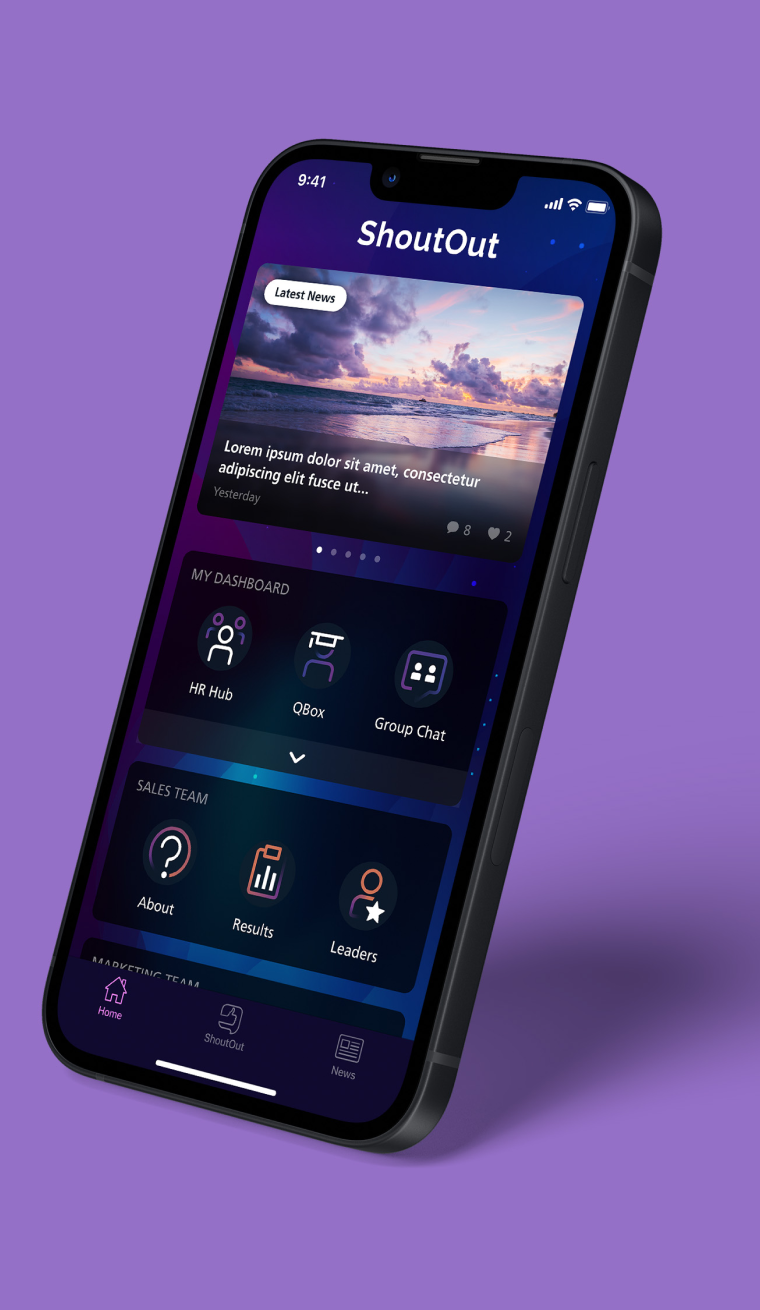
ShoutOut helps organisations turn recognition into a consistent, visible rhythm across teams and locations. For automotive groups, that means managers can celebrate the right behaviours, frontline employees can see great work happening across the network, and leaders can understand where recognition is strong or missing.
If dealership employee retention is a priority this year, start by making great work impossible to miss.